Home / Road signs
Prepared by the independent Qatar Driving Test project. Sources and how we review content.
Qatar road signs and their meanings
A shape helps you recognise the sign. Its meaning tells you what to do. Compare three pairs that are easy to confuse, then browse all 138 signs, markings and signals from the app.
Similar signs, different decisions
No parking or no stopping?
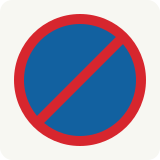
Do not park here.
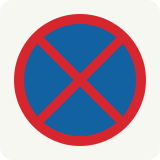
Do not stop here, even briefly.
Try the decision
A passenger wants to get out beside this sign. What should you do?
- Stop after switching on the hazard lights.
- Stop briefly because you will remain in the car.
- Continue to a place where stopping is permitted.
- Stop because dropping off is different from parking.
Show the answer and why
Continue to a place where stopping is permitted.
This sign prohibits stopping, including a brief passenger drop off. Remaining in the car does not change the instruction. Law 19/2007, Articles 1 and 64.
Stop or give way?

Stop completely before proceeding when safe.
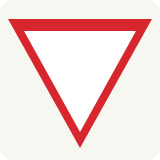
Yield to traffic with priority and stop if necessary.
Maximum or minimum speed?
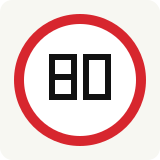
Do not exceed the displayed speed.

Keep at or above the displayed minimum when safe.
Browse all 138 signs
Search by name or meaning, or choose a group. Use a sign's name link to return to it later.
No matching signs. Try a shorter search or another group.
Regulatory (44)
-
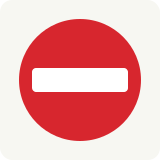
No entry
Do not enter from this side.
-
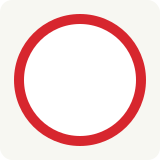
No vehicles
All vehicles must stay out.
-
No parking
Do not park here.
-
No stopping
Do not stop here, even briefly.
-
Maximum speed limit
Do not exceed the displayed speed.
-
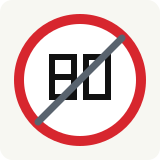
End of speed limit
The previously displayed speed limit has ended.
-
Minimum speed
Keep at or above the displayed minimum when safe.
-
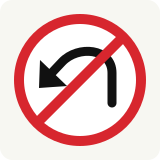
No U-turn
Do not make a U-turn.
-
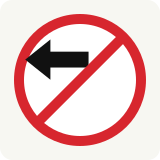
No left turn
Do not turn left.
-
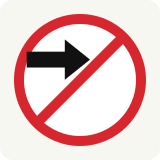
No right turn
Do not turn right.
-
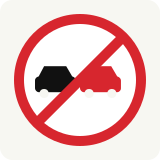
No overtaking
Do not overtake other vehicles.
-
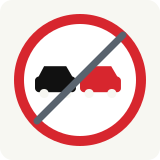
End of no overtaking
The no-overtaking restriction has ended; pass only when safe.
-
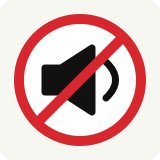
No horn
Do not sound the horn here.
-
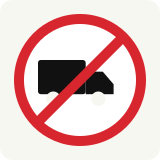
No trucks
Trucks must not enter this road.
-
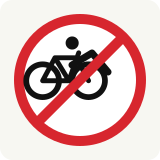
No motorcycles
Motorcycles must not enter this road.
-
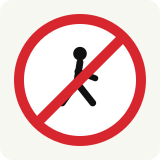
No pedestrians
Pedestrians must not use this route.
-
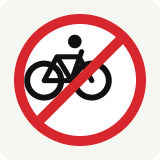
No bicycles
Bicycles must not use this route.
-
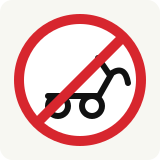
No animal-drawn vehicles
Animal-drawn vehicles must not enter.
-
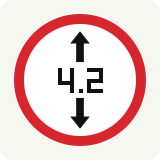
Height limit
Do not enter if the vehicle exceeds the shown height.
-
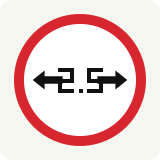
Width limit
Do not enter if the vehicle exceeds the shown width.
-
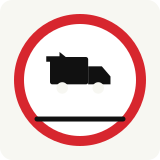
Length limit
Do not enter if the vehicle exceeds the shown length.
-
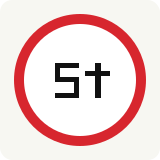
Weight limit
Do not enter if the vehicle exceeds the shown total weight.
-
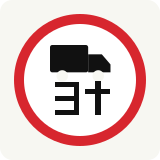
Axle weight limit
Do not enter if an axle exceeds the shown weight.
-

Turn left only
You must turn left.
-

Turn right only
You must turn right.
-

Straight only
You must continue straight.
-

Straight or left only
You may go straight or turn left only.
-

Straight or right only
You may go straight or turn right only.
-
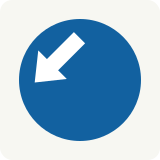
Keep left
Pass the obstruction on its left.
-

Keep right
Pass the obstruction on its right.
-

Pass either side
You may pass the obstruction on either side.
-

Roundabout mandatory
Follow the required direction around the roundabout.
-
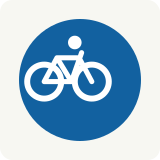
Mandatory cycle track
Cyclists must use this track.
-
Stop
Stop completely before proceeding when safe.
-
Give way
Yield to traffic with priority and stop if necessary.
-

Priority road
Traffic on this road has priority at upcoming junctions.
-
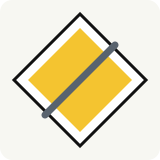
End of priority road
The road no longer has the previously signed priority.
-

Priority to oncoming traffic
Yield to vehicles coming from the opposite direction.
-

Priority over oncoming traffic
You may proceed before oncoming traffic when safe.
-

Customs or police stop
Stop for the customs or police checkpoint.
-
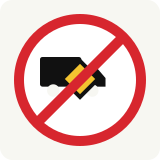
No dangerous-goods vehicles
Vehicles carrying dangerous goods must not enter.
-
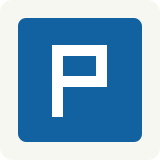
Parking
Parking is permitted in the indicated area.
-
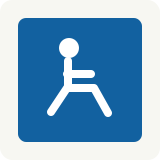
Disabled parking
Only eligible disabled users may park in this bay.
-
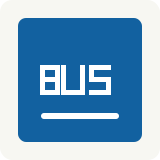
Bus lane
Keep this lane clear for permitted buses.
Warning (44)
-
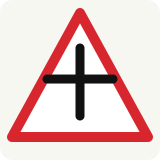
Crossroads ahead
Slow down and prepare for crossroads ahead.
-
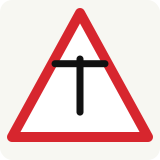
T-junction ahead
Slow down and prepare for t-junction ahead.
-
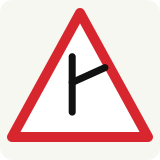
Side road from the right
Slow down and prepare for side road from the right.
-
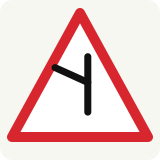
Side road from the left
Slow down and prepare for side road from the left.
-
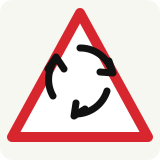
Roundabout ahead
Slow down and prepare for roundabout ahead.
-
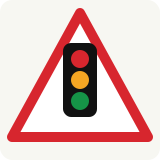
Traffic signals ahead
Slow down and prepare for traffic signals ahead.
-
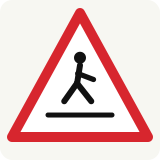
Pedestrian crossing ahead
Slow down and prepare for pedestrian crossing ahead.
-
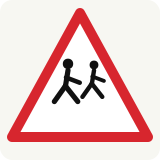
Children or school ahead
Slow down and prepare for children or school ahead.
-
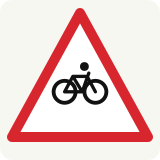
Cyclists ahead
Slow down and prepare for cyclists ahead.
-
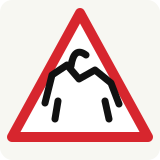
Camel crossing
Slow down and prepare for camel crossing.
-
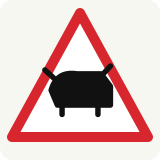
Animals crossing
Slow down and prepare for animals crossing.
-
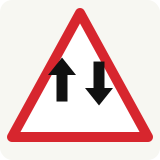
Two-way traffic
Slow down and prepare for two-way traffic.
-
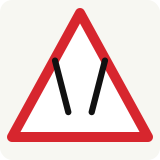
Road narrows on both sides
Slow down and prepare for road narrows on both sides.
-
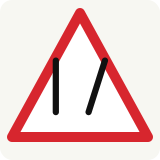
Road narrows on the right
Slow down and prepare for road narrows on the right.
-
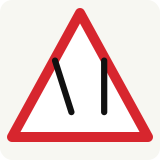
Road narrows on the left
Slow down and prepare for road narrows on the left.
-
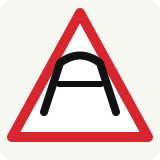
Narrow bridge ahead
Slow down and prepare for narrow bridge ahead.
-
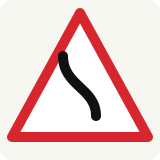
Dangerous bend left
Slow down and prepare for dangerous bend left.
-
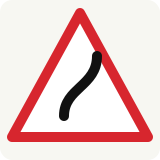
Dangerous bend right
Slow down and prepare for dangerous bend right.
-
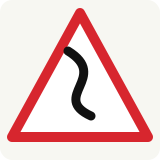
Double bend, first left
Slow down and prepare for double bend, first left.
-
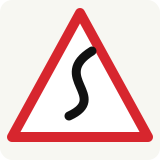
Double bend, first right
Slow down and prepare for double bend, first right.
-
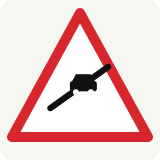
Steep ascent
Slow down and prepare for steep ascent.
-
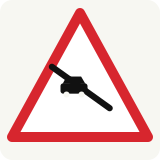
Steep descent
Slow down and prepare for steep descent.
-
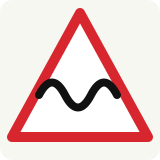
Uneven road
Slow down and prepare for uneven road.
-
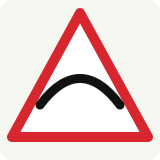
Road hump ahead
Slow down and prepare for road hump ahead.
-
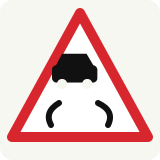
Slippery road
Slow down and prepare for slippery road.
-
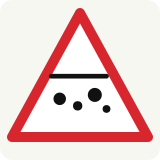
Loose gravel
Slow down and prepare for loose gravel.
-
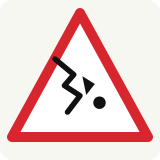
Falling rocks
Slow down and prepare for falling rocks.
-
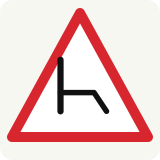
Soft verge
Slow down and prepare for soft verge.
-
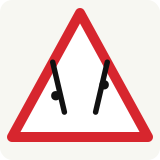
Dangerous road edges
Slow down and prepare for dangerous road edges.
-
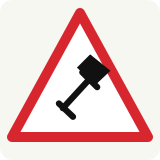
Roadworks ahead
Slow down and prepare for roadworks ahead.
-
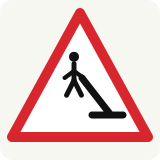
Workers ahead
Slow down and prepare for workers ahead.
-
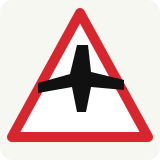
Low-flying aircraft
Slow down and prepare for low-flying aircraft.
-
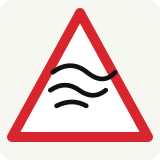
Side winds
Slow down and prepare for side winds.
-
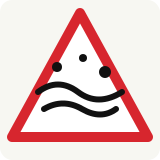
Sandstorm area
Slow down and prepare for sandstorm area.
-
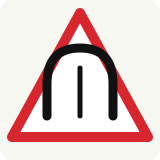
Tunnel ahead
Slow down and prepare for tunnel ahead.
-
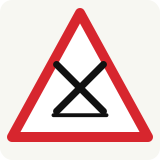
Level crossing ahead
Slow down and prepare for level crossing ahead.
-
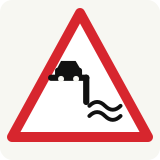
Quay or riverbank ahead
Slow down and prepare for quay or riverbank ahead.
-
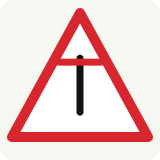
Dead end ahead
Slow down and prepare for dead end ahead.
-
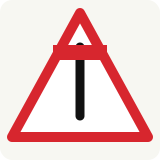
No through road ahead
Slow down and prepare for no through road ahead.
-
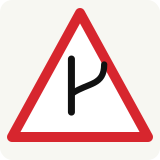
Traffic merging from right
Slow down and prepare for traffic merging from right.
-
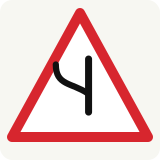
Traffic merging from left
Slow down and prepare for traffic merging from left.
-
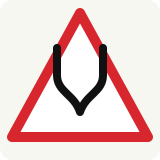
End of dual carriageway
Slow down and prepare for end of dual carriageway.
-
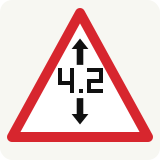
Height restriction ahead
Slow down and prepare for height restriction ahead.
-

Speed camera ahead
Slow down and prepare for speed camera ahead.
Information (30)
-

Motorway begins
Motorway rules begin from this point.
-
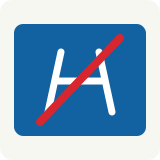
Motorway ends
Motorway rules end from this point.
-
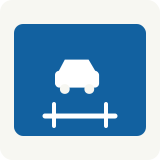
Expressway
The route continues as an expressway.
-

Priority road begins
The signed road has priority from this point.
-

One-way road
Travel only in the indicated direction.
-
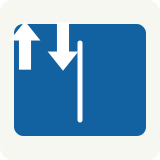
Dual carriageway
Opposing traffic is separated on this road.
-

Hospital
A hospital is available nearby.
-
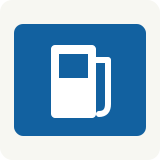
Petrol station
Fuel is available nearby.
-

Mosque
A mosque is available nearby.
-
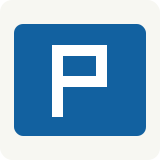
Parking area
A designated parking area is available nearby.
-
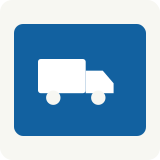
Bus stop
Buses stop at this location.
-
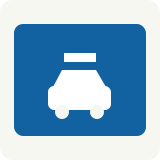
Taxi stand
Taxis wait at this location.
-

Coffee facility
Refreshments are available nearby.
-
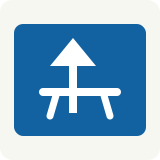
Rest area
A rest area is available nearby.
-

First aid
First-aid assistance is available nearby.
-

Telephone
A public telephone is available nearby.
-
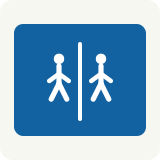
Toilets
Public toilets are available nearby.
-
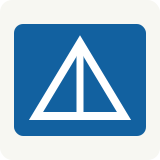
Camping area
A designated camping area is nearby.
-

Lay-by
A roadside stopping area is available ahead.
-

Airport
Follow this route for the airport.
-
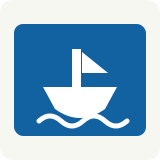
Seaport
Follow this route for the seaport.
-
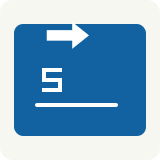
Distance board
Read the remaining distances to listed destinations.
-

Exit board
Move safely toward the indicated exit.
-

Direction board
Follow the arrow toward the listed destination.
-

Lane-use directions
Use each lane only for its marked direction.
-

U-turn permitted
A U-turn is permitted here when safe.
-
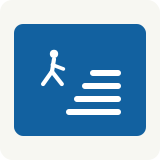
Pedestrian underpass
Pedestrians should use the underpass.
-

Tourist attraction
Follow this route for a tourist destination.
-
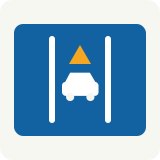
Emergency stopping lane
Use this lane only for an emergency stop.
-
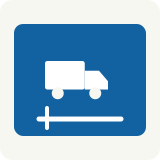
Truck lane
Trucks should use the indicated lane.
Road markings (12)
-
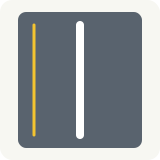
Solid white line
Do not cross or drive on this line.
-
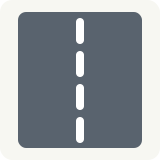
Broken white line
Cross the broken line only when it is safe.
-
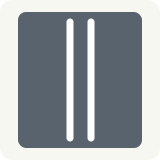
Double solid white lines
Do not cross either solid line.
-
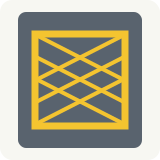
Yellow box junction
Do not enter unless the exit is clear.
-
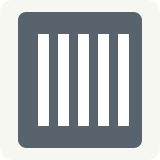
Zebra crossing
Give way to pedestrians using the crossing.
-

Stop line
Stop before the line when the control requires it.
-
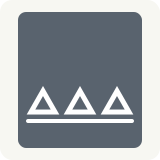
Give-way line
Yield before the line to traffic with priority.
-

Chevrons
Keep out of the marked chevron area.
-
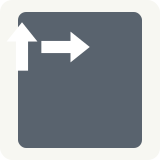
Lane-direction arrows
Follow the direction marked for your lane.
-
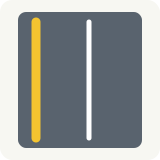
Yellow edge line
Do not park along this marked edge.
-
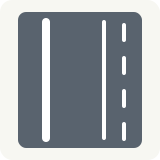
Hard-shoulder marking
Keep the shoulder clear except for emergencies.
-
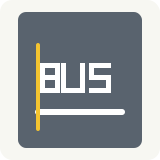
Bus-lane marking
Keep the marked lane clear for permitted buses.
Signals (8)
-
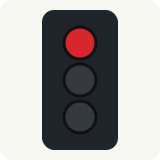
Red traffic light
Stop before the line and wait.
-
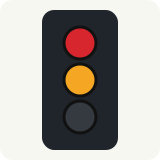
Red and amber traffic light
Remain stopped and prepare to move.
-
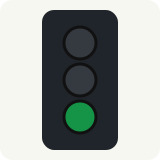
Green traffic light
Proceed only when the junction is clear.
-
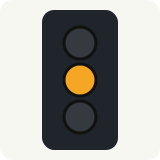
Amber traffic light
Get ready. Yellow does not mean go.
-
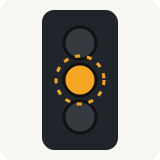
Flashing amber signal
Proceed cautiously and give way as required.
-
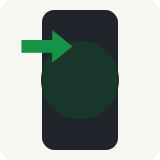
Green directional arrow
Proceed only in the arrow direction when clear.
-
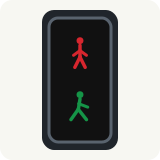
Pedestrian signal
Cross or wait according to the displayed pedestrian phase.
-
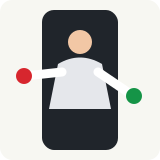
Police hand signal
Obey the officer even if another signal differs.
Connect the sign to the rule
At an uncontrolled junction without signs or signals, priority goes to traffic from the left (Article 74). At a roundabout, give priority to vehicles coming from the left (Article 73). When joining a main road from a secondary road, give way to main-road traffic and enter only when there is space (Article 76).
Police hand signals take priority over other signals. Even with a green light, do not move if you would block traffic (Article 72). A continuous white lane line may not be crossed or driven on (Article 44).
Practise the decision
Cover the name and say what you would do before reading the meaning. Then try 20 free practice questions with explanations. The app adds flashcards that hide the answer until you reveal it, and brings back signs you need to revisit.
Sources and scope
These are study drawings and meanings from the app. They are not a government sign catalogue. Follow the signs and directions on the road.
- Traffic Law No. 19 of 2007: Articles 44 and 72 to 76 for the road rules above.
- Ministry of Interior: current traffic services and requirements.
See how we compile and check study content. If a name or drawing looks wrong, tell us the sign name.
Keep learning in short sessions
Study signs alongside questions and timed mocks in English, Arabic, Hindi or Malayalam.
Try the Android beta